CoSDR vs Clay: Refactoring Outbound Personalization and Cost Structures
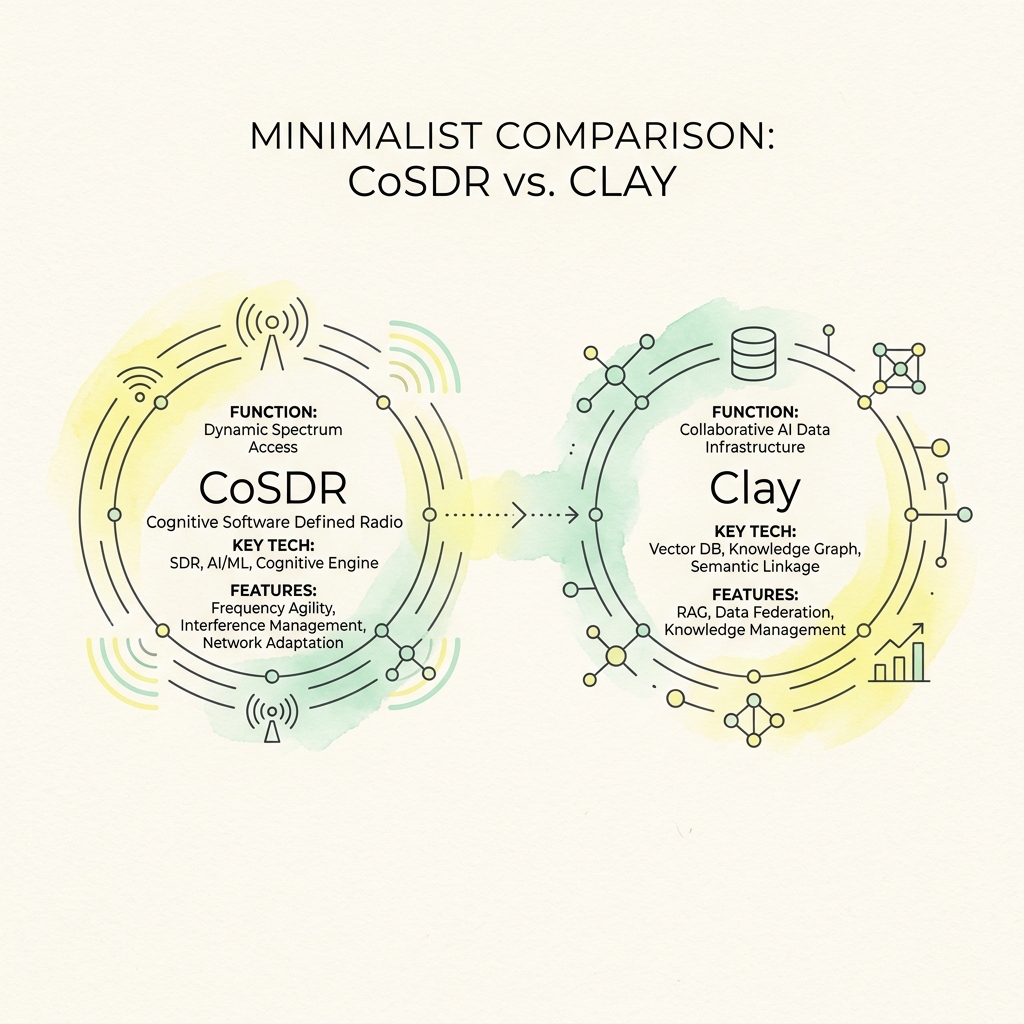
TL;DR Summary"Clay is a powerful spreadsheet-based outbound tool but suffers from high subscription overheads and automated sequences that trigger email spam filters. CoSDR consolidates the database stack into a single workspace and mandates a safe copy-paste outbox model, cutting the per-company research cost to a published $0.10."
1. Topic Context & Definition
CoSDR differs from Clay by integrating local caching and a human-in-the-loop validation dashboard to prevent domain blocklists, whereas Clay relies on automated outbound sequencing.
What is the Difference Between CoSDR and Clay?
CoSDR differs from Clay by integrating local caching and a human-in-the-loop validation dashboard to prevent domain blocklists, whereas Clay relies on automated outbound sequencing. Clay operates primarily as an enrichment spreadsheet, requiring users to pay separate bills for data enrichment integrations, whereas CoSDR bundles these sources into a single workspace. For a detailed feature checklist, you can refer to our landing page on the CoSDR Platform.
Technical comparison of outbound features
Clay relies heavily on third-party APIs for each cell enrichment step, resulting in unpredictable costs. CoSDR implements a unified data abstraction layer using TypeScript factory patterns. This caches firmographic data locally while maintaining ephemeral storage for sensitive PII, avoiding redundant API queries. This design contrasts with other tools in the market, such as CoSDR vs Apollo.
Outbox Deliverability and IP Health
Clay spreadsheets feed directly into automated sequencing platforms, which send bulk messages that land in the spam folder. Over a short window, these mass emails trigger Google's RETVec filters, degrading domain reputations. CoSDR bypasses this entirely: personalized drafts are generated in a centralized dashboard, and a representative reviews and manually copy-pastes each one through their own local email client, avoiding the automated-sending fingerprint that triggers spam filters in the first place. This philosophy is also critical when evaluating CoSDR vs ZoomInfo and their respective outbox architectures.
| Metric | CoSDR Platform | Clay Spreadsheet |
|---|---|---|
| Cost per Researched Company | $0.10 per company (5 credits) | Separate per-provider enrichment fees |
| Outbound Model | HITL copy-paste (Sender reputation safe) | Automated API email sequencing (Spam risks) |
| Outbound Verification | Human review before every send (Free) | Third-party validation credits (Paid) |
| PII Compliance | Ephemeral session isolation & Supabase RLS | Permanent storage in public grid databases |