CoSDR vs Apollo: Stale Database Records vs. Real-Time Signal Audits
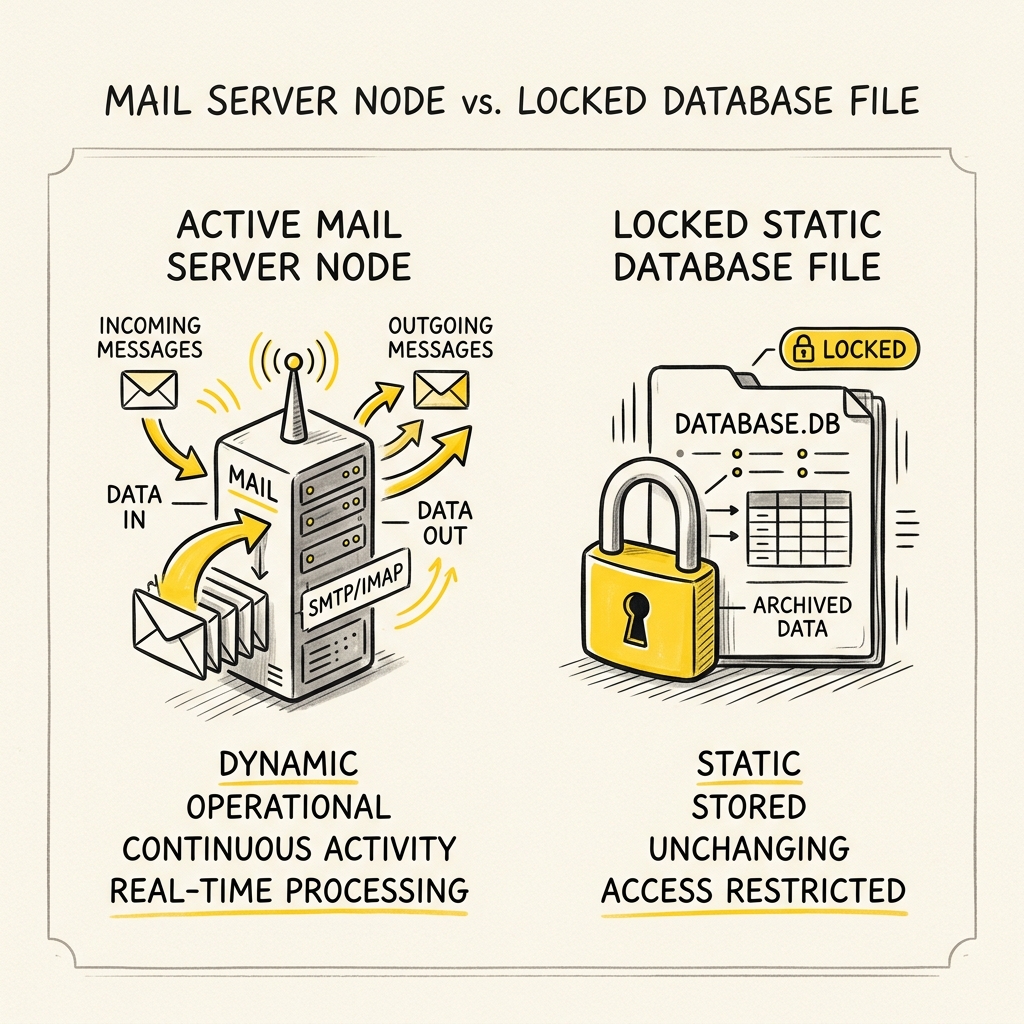
TL;DR Summary"Apollo offers a vast database but experiences up to 30% annual data decay and triggers aggressive provider filters. CoSDR runs live DNS SPF scans and routes every draft through a human-in-the-loop copy-paste outbox, keeping sender reputation intact."
1. Topic Context & Definition
CoSDR differs from Apollo by validating target records live at runtime rather than serving contacts from a pre-built static database.
What is the Difference Between CoSDR and Apollo?
CoSDR differs from Apollo by validating target records live at runtime rather than serving contacts from a pre-built static database. Apollo functions as a massive directory index containing millions of pre-scraped profiles. Because corporate contact data decays rapidly, list building in Apollo leads to bounce rates exceeding industry limits. You can explore how CoSDR solves this on the CoSDR homepage.
Email Deliverability and Verification Differences
Apollo uses database verification checks that fail to catch newly disabled inboxes. CoSDR sidesteps the verification problem entirely: instead of sending automated blasts to unverified lists, every draft is routed to a human-in-the-loop dashboard for manual review and copy-paste sending, protecting your domain sender reputation from spam filter triggers. This makes CoSDR a safer alternative than Clay, as detailed in CoSDR vs Clay.
GDPR and Compliance Architectures
Apollo indexes personal information, selling it to subscribers. This violates GDPR Article 14 rules and KVKK VERBİS requirements, triggering heavy fines. CoSDR avoids indexing personal data, storing PII in session-bound ephemeral memory that deletes automatically. This standard also guides other comparisons like CoSDR vs ZoomInfo regarding compliance.
| Metric | CoSDR Platform | Apollo Database |
|---|---|---|
| Data Freshness | Live runtime scans & DNS audits | Static index with 30% annual decay |
| Sourcing Method | Technographic DNS/SPF audits | Pre-scraped directory index |
| Spam Guarding | HITL outbox routing | Automated sequence bulk mailer |
| Compliance Shield | Ephemeral personal data storage | Permanent directory listing sales |